
Building a Double-Storey Home: The Complete Guide from Foundation to Roof
RCRenstay College · July 24, 2026 · 7 min read
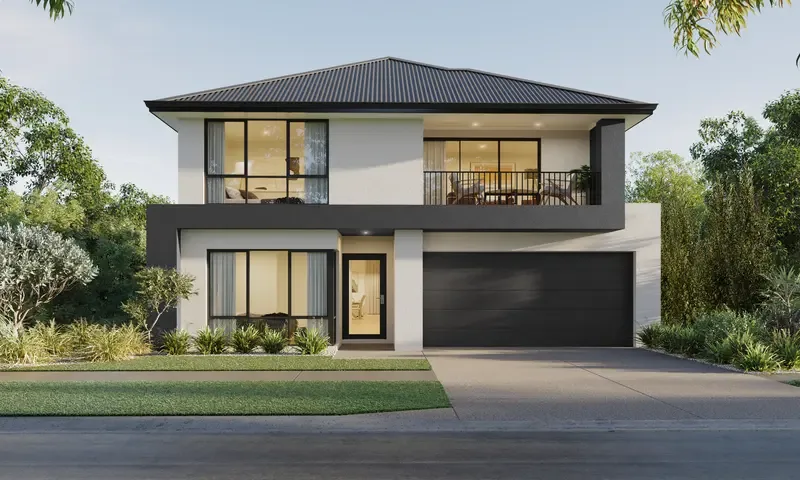
Dreaming of building a beautiful double-storey home?
Whether it’s a modern family house, luxury villa, townhouse, or rental property, constructing a two-storey home is one of the biggest investments most people will ever make. When designed and built correctly, it offers more living space, better views, higher property value, and efficient use of land.
However, a poorly planned project can lead to structural problems, delays, budget overruns, and expensive repairs that may last for decades.
The good news is that building a quality double-storey home isn’t just about laying bricks—it’s about understanding engineering, architecture, construction techniques, project management, and quality workmanship.
In this guide, you’ll discover how a double-storey home is built from the ground up, common mistakes to avoid, and why learning professional building and architectural skills can open the door to an exciting and rewarding career.
What Is a Double-Storey Home?
A double-storey home is a residential building with two complete levels connected by an internal or external staircase.
Unlike a single-storey house, a two-storey home provides additional floor space without requiring a larger plot of land.
This makes it an excellent choice for urban developments, growing families, and homeowners who want more space while maximizing the use of their property.
Why Choose a Double-Storey Home?
Double-storey homes have become increasingly popular because they offer numerous advantages.
More Living Space
With two floors, you can include:
- Multiple bedrooms
- Home office
- Study rooms
- Entertainment areas
- Guest suites
- Balconies
- Walk-in wardrobes
- Family lounges
Better Use of Land
Instead of expanding outward, you build upward.
This leaves more outdoor space for:
- Gardens
- Swimming pools
- Parking
- Children’s play areas
- Outdoor entertainment spaces
Higher Property Value
Well-designed double-storey homes generally command higher resale values due to their larger living areas and attractive designs.
Improved Privacy
Many families choose to place:
- Bedrooms upstairs
- Living areas downstairs
This separation creates quieter and more private sleeping areas.
Step 1: Planning the Project
Every successful building project begins with careful planning.
This stage includes:
- Determining your budget
- Selecting the site
- Understanding zoning regulations
- Soil investigations
- Preparing architectural drawings
- Structural engineering design
- Utility planning
- Obtaining building approvals
Skipping proper planning often leads to costly mistakes later.
Step 2: Site Preparation
Before construction begins, the site must be prepared.
This includes:
- Clearing vegetation
- Removing debris
- Site surveying
- Setting out building lines
- Excavation
- Temporary drainage
- Access roads
- Safety fencing
Accurate site preparation ensures the building sits exactly where intended.
Step 3: Building Strong Foundations
A double-storey home carries significantly more weight than a single-storey structure.
Its foundations must safely support:
- Walls
- Floors
- Roof
- Occupants
- Furniture
- Wind loads
- Rainwater loads
Foundation work typically involves:
- Excavation
- Footings
- Reinforcement steel
- Concrete pouring
- Foundation walls
- Damp-proofing
Poor foundations are one of the leading causes of structural failure.
Step 4: Constructing the Ground Floor
After the foundation cures, builders begin constructing the ground floor.
This includes:
- External walls
- Internal partition walls
- Door openings
- Window openings
- Columns
- Beams
- Service ducts
Precision is essential because errors become more difficult to correct as construction progresses.
Step 5: Installing the First-Floor Structure
One of the defining stages of a double-storey home is building the upper floor.
Common floor systems include:
- Reinforced concrete slabs
- Suspended slabs
- Precast concrete systems
- Steel framing
- Timber floor systems
The upper floor must safely transfer loads to the foundations.
Step 6: Building the Upper Floor
Construction continues upward with:
- External walls
- Internal walls
- Structural columns
- Ring beams
- Window installations
- Balcony supports
Builders continuously check:
- Levels
- Plumb
- Alignment
- Structural dimensions
Step 7: Roof Construction
The roof protects the entire structure from weather.
Roof construction includes:
- Roof trusses
- Rafters
- Purlins
- Roof covering
- Waterproof membranes
- Gutters
- Fascia boards
- Downpipes
A properly installed roof can last for decades with routine maintenance.
Step 8: Plumbing and Electrical Installation
Before walls are finished, technicians install essential services.
These include:
Plumbing
- Water supply
- Drainage pipes
- Sewer systems
- Hot water systems
- Bathrooms
- Kitchens
Electrical
- Wiring
- Distribution boards
- Lighting
- Power outlets
- Internet cabling
- Security systems
Modern homes also include:
- Smart home automation
- Solar systems
- CCTV
- Backup power solutions
Step 9: Interior Finishing
This stage transforms the building into a home.
Finishing work includes:
- Plastering
- Painting
- Ceiling installation
- Floor tiling
- Timber flooring
- Kitchen installation
- Bathroom fitting
- Built-in cupboards
- Staircase finishing
- Interior doors
Quality finishes significantly influence the home’s final appearance.
Step 10: External Works
Construction concludes with:
- Driveways
- Boundary walls
- Landscaping
- Paving
- Drainage
- Exterior painting
- Outdoor lighting
- Gates
- Fencing
These final touches improve functionality and curb appeal.
Common Mistakes When Building a Double-Storey Home
Many projects experience problems because of avoidable mistakes.
Common issues include:
- Poor planning
- Weak foundations
- Incorrect structural reinforcement
- Low-quality materials
- Poor workmanship
- Inadequate waterproofing
- Poor drainage
- Ignoring building codes
- Hiring unqualified contractors
- Skipping inspections
Professional supervision greatly reduces these risks.
Skills Required to Build a Double-Storey Home
Constructing a modern home involves professionals from multiple disciplines.
These include:
- Architects
- Structural engineers
- Quantity surveyors
- Builders
- Bricklayers
- Carpenters
- Electricians
- Plumbers
- Roofers
- Project managers
- Building inspectors
Learning how these professionals work together is essential for anyone pursuing a career in construction.
Career Opportunities in Building and Architecture
The construction industry is one of the world’s largest employers.
Professionals with building and architectural knowledge can work as:
- Building technician
- Site supervisor
- Construction manager
- Architectural technician
- Building inspector
- Quantity surveyor
- Project coordinator
- Property developer
- Estimator
- Building contractor
- Entrepreneur running a construction company
As cities continue to expand, skilled professionals remain in high demand.
The Future of Home Construction
Modern construction is evolving rapidly.
Today’s building professionals increasingly use:
- 3D architectural modelling
- Building Information Modelling (BIM)
- Drone site surveys
- Sustainable building materials
- Energy-efficient designs
- Smart home technology
- Green building practices
- Prefabricated construction systems
- AI-assisted project planning
Those who understand both traditional construction methods and modern technologies will be well positioned for future opportunities.
Learn How to Design and Build Like a Professional
Imagine being able to confidently read architectural drawings, understand structural principles, estimate construction costs, supervise building projects, and manage a complete house build from start to finish.
Whether your goal is to:
- Build your own dream home
- Start a construction company
- Become a site supervisor
- Enter the building and construction industry
- Improve your existing construction skills
- Develop property for profit
professional training can help you achieve those goals.
Join the Renstay College Building & Architecture Online Course
Our comprehensive online programme is designed for beginners, aspiring builders, construction professionals, and property developers who want practical, industry-relevant skills.
You’ll learn how to:
- Interpret architectural and structural drawings
- Plan and manage residential construction projects
- Construct foundations, walls, floors, and roofs
- Understand building materials and their applications
- Apply bricklaying and masonry techniques
- Install basic plumbing and electrical systems safely
- Estimate project costs and quantities
- Ensure quality control and site safety
- Build energy-efficient and sustainable homes
What You’ll Receive
- Step-by-step video lessons
- Practical construction demonstrations
- Downloadable plans, checklists, and learning resources
- Real-world building case studies
- Quizzes and assessments
- Self-paced online learning
- Expert instructor support
- Industry-focused construction training
Whether you’re planning to build your first home, supervise major projects, or launch a successful construction business, this course will give you the knowledge and confidence to build with precision and professionalism.
Your dream home starts with the right knowledge. Enrol today in the GCSE Courses Building & Architecture Online Course and take the first step toward building the future—one brick at a time.
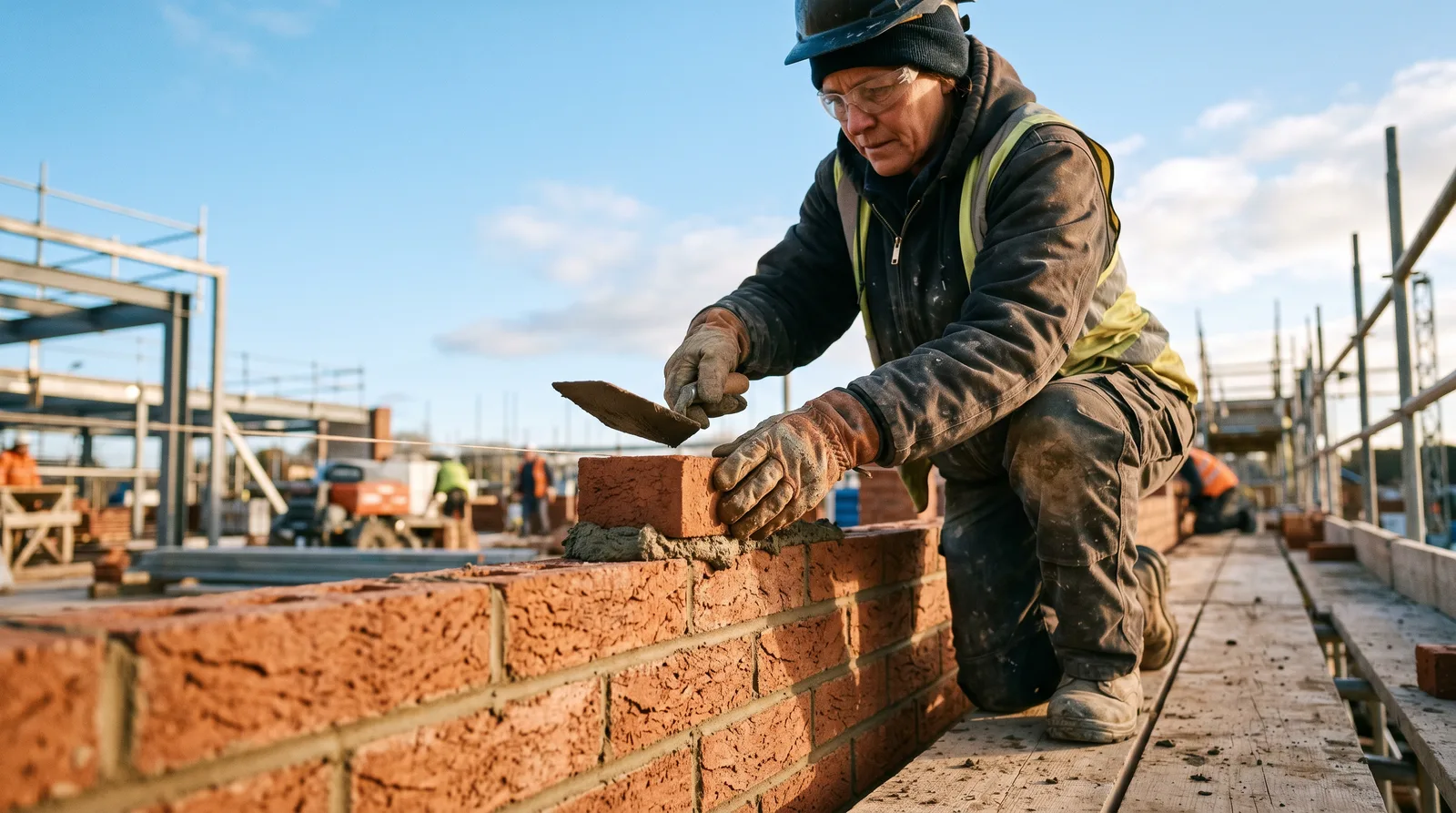
Want to go deeper than a blog post?
Building & Architecture diploma
A hands-on diploma programme that takes you from mixing mortar to reading architectural drawings — covering bricklaying, structural principles, and practical building craft in one complete course.
Start learning — $19/mo